
Our History
Timeline of Growth and Innovation: Leading and developing critical health innovation for over 25 years.
Cimit’s contributions have evolved from providing funding and facilitating projects, to spearheading multidisciplinary collaborations and overseeing the entire health innovation process. Explore this timeline to learn about some of the projects where Cimit has helped to make significant impact.
1998
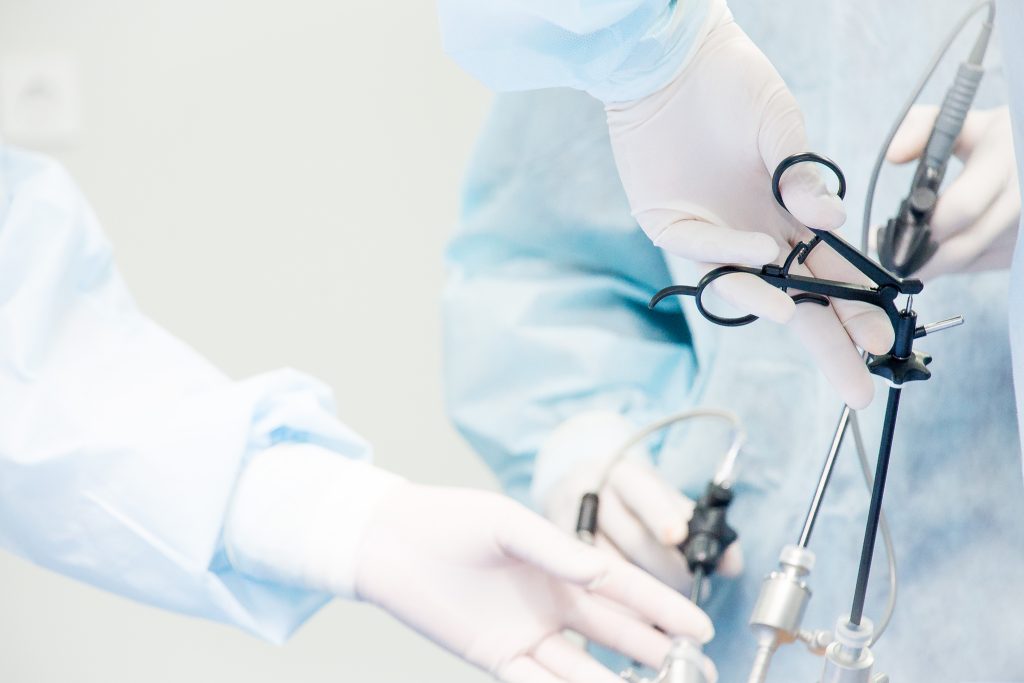
Minimally Invasive Surgery
- Groundbreaking minimally invasive procedures developed to treat abdominal, pancreatic, colon, gastro-esophageal, and endocrine cancers.
- Advanced use of minimally invasive surgery in general surgery, radiology, obstetrics, and gastroenterology.
Ambulatory Seizure Detection
- Microelectrode array detects symptoms prior to seizure, triggers alarm to alert patient and vagus nerve stimulation to prevent/abort seizure.
- Licensed to company with product in market.
Optical Coherence Tomography (OCT)
- Development of a new form of OCT, optical frequency domain imaging (OFDI), for imaging tissues such as coronary arteries — detecting the type of plaque most likely to lead to a heart attack — and the esophagus to diagnose and guide laser ablation of cancer.
- Spun out a company; licensed 188 patents and applications — largest deal in Massachusetts General Hospital history, $110M invested, product in market.
1999
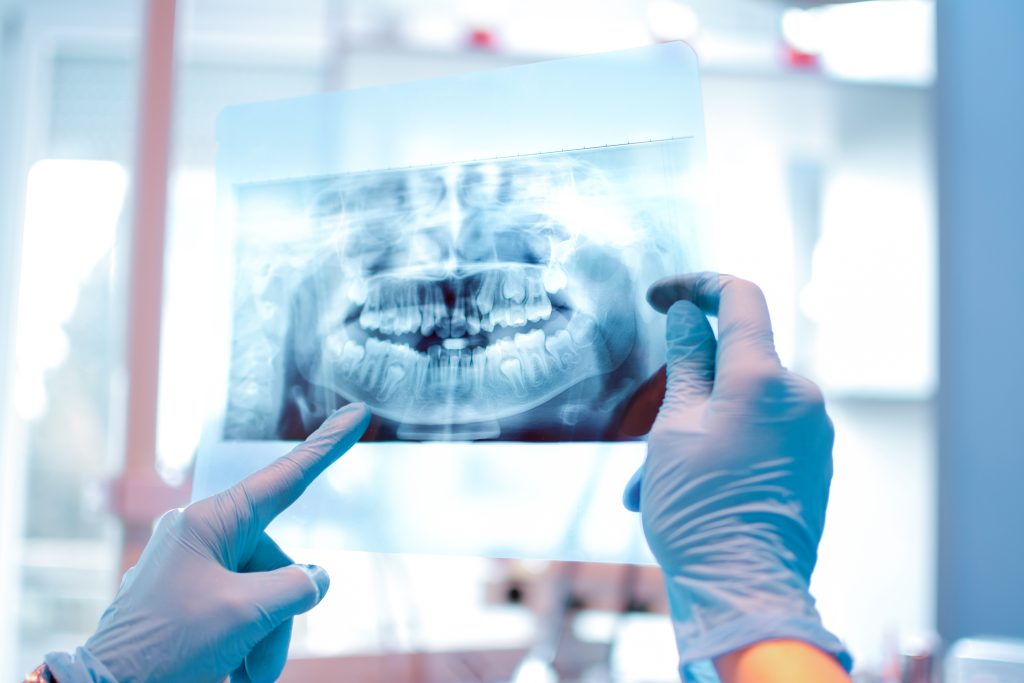
Jaw Reconstruction
- Developed three-dimensional planning software and miniature internal device to gradually stretch soft tissue as skeleton is enlarged in correction of jaw deformities.
- Technique adopted internationally, with expanded applications to maxillofacial reconstruction.
Laser Treatment of Vocal Cord Lesions
- Development of a noninvasive technique to apply pulsed dye laser for vascular lesions in vocal cords, eliminating need for surgical lesion removal.
- Led to creation of Voice Center at Massachusetts General Hospital.

2000
Telestroke
- Development of telemedicine for stroke including on-demand expert clinical consultation with community hospitals.
- One of the earliest successful projects in the telemedicine field.
- Enabled 1.8 million virtual visits at Massachusetts General Brigham during COVID.
- As of 2019, 45% of emergency departments had telestroke services.
Operating Room of the Future
- Living lab systems change project to study effects of process, design, and technology on patient safety and efficiency.
- Medical device interoperability, endorsed by AMA.
- Integrated electronic dashboard — LiveData Patient Knowledge System — developed.
- 43% reduction in operating room downtime due to parallel processing, data integration, and improved ergonomics.
- Produced workflows used in operating rooms around the world.
Chest Tube Insertion Simulator
- Training tool using lifelike mannequin with PC-based graphical interface.
- Received US Army’s Top Ten Greatest Inventions of 2003 award.
2004
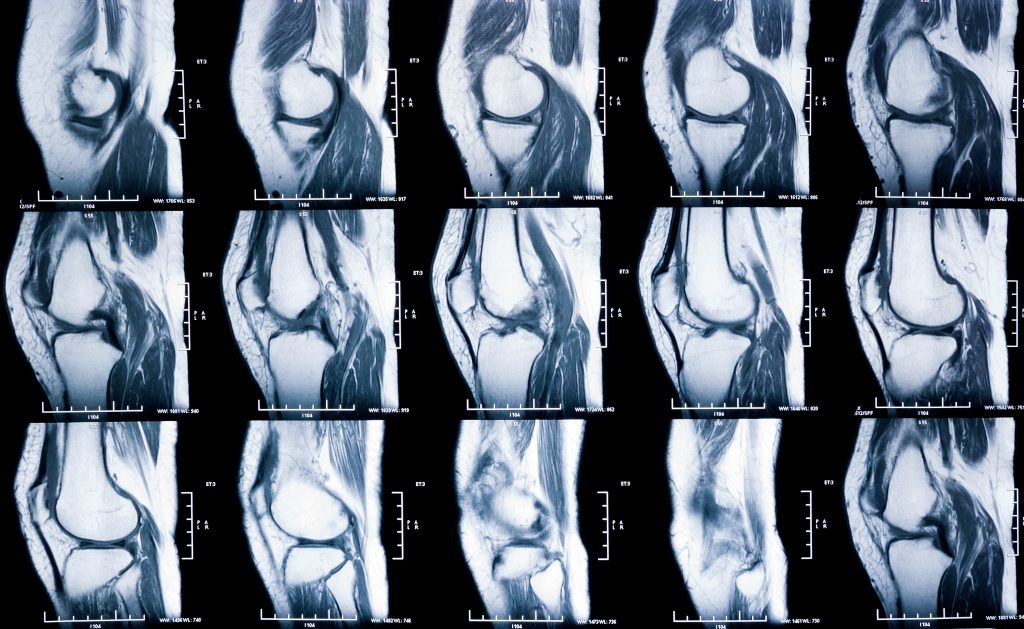
Nonsurgical repair of Anterior Cruciate Ligament (ACL) Injury
- Minimally invasive technique developed to stimulate natural ACL healing, rather than surgical repair with 78% risk of osteoarthritis within 14 years.
- Strength of repair comparable to traditional reconstruction in animal studies.
- Start-up company formed.
Medical Device Plug and Play Program
- Launched and led groundbreaking efforts to develop integrated clinical environments (ICE) which have open standards and technology for networking medical devices to support improved patient care and efficiency.
- Program’s trail-blazing work led to creation of American Society for Testing and Materials ICE standard.
- AMA-endorsed initiative.
2007
Global Health
- Low-cost portable ventilator using manual pump with battery, motor, and controls.
- Baby’s breath resuscitator with simple breathing tube.
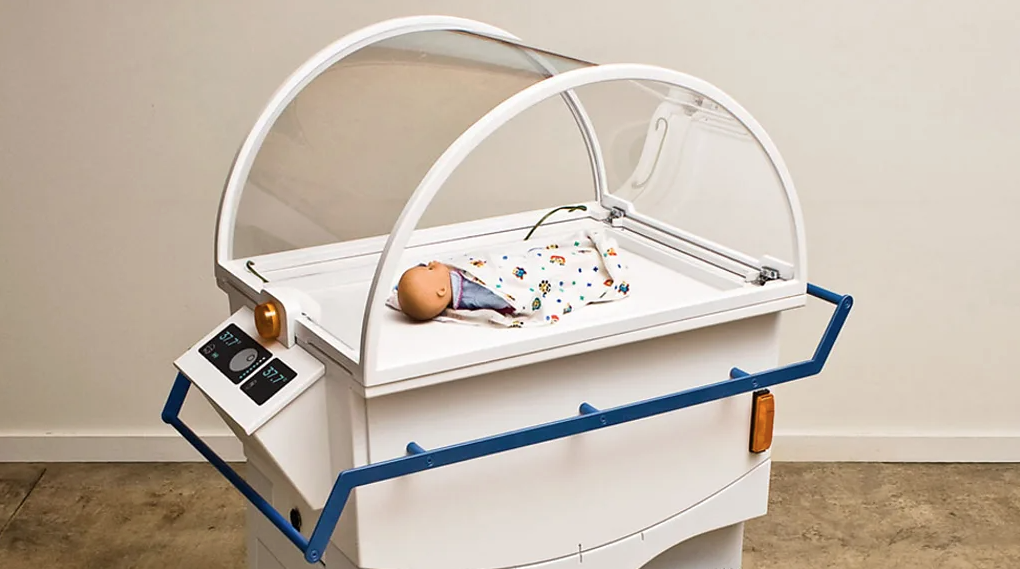
- Car part incubator; #1 in Time Magazine’s 2010 “The 50 Best Inventions of the Year.”
2008
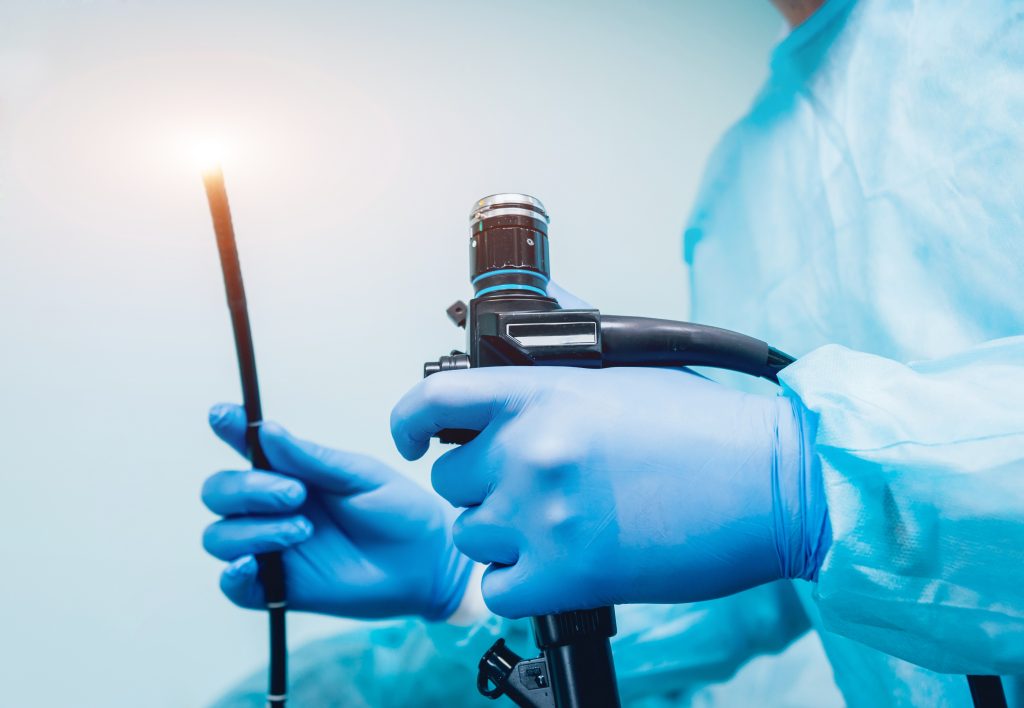
Natural Orifice Transluminal Endoscopic Surgery (NOTES)
- Pioneering development of NOTES, which allows access to the peritoneal cavity through natural orifices without incisions through anterior abdominal wall.
- Natural Orifice Surgery Consortium for Assessment and Research established.
2013
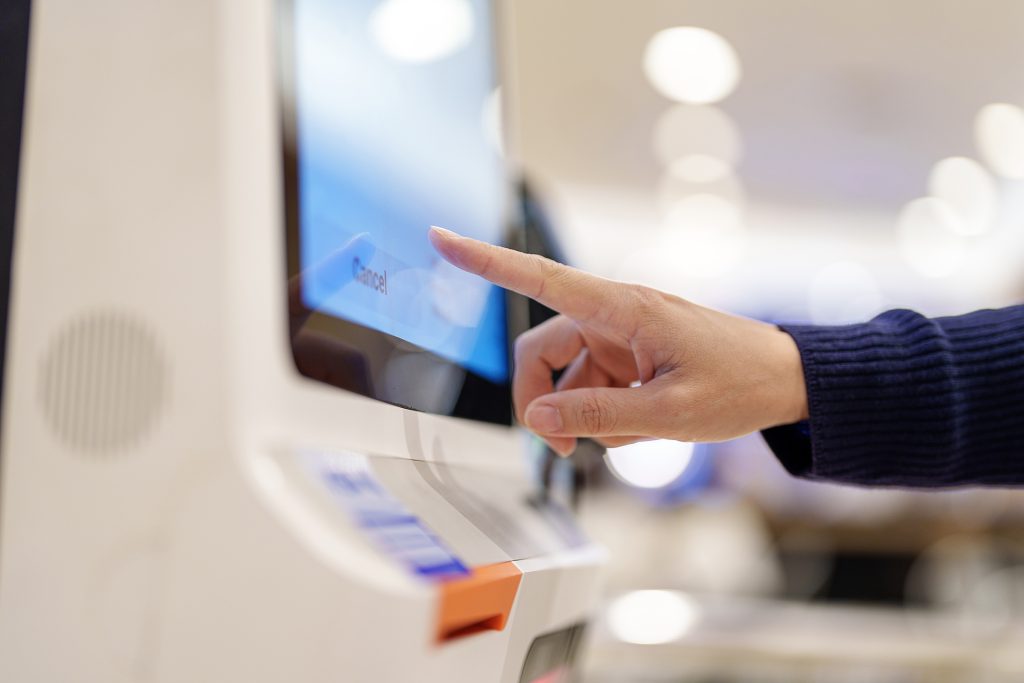
Vital Signs Kiosk
- Self-service diagnostic kiosk in shared living facilities to help manage chronic conditions and reduce in-person examinations.
- Collaboration with Singapore agency for science, technology, and research (A*Star); two providers; and Ministry of Health IT experts.
- Technology licensed to Singapore company, regional rollout.
2012-2017
Point of Care Technologies (POCT) Research Center
- Served as research center focused on advancing POCT technologies for primary care.
- Selected and facilitated 31 projects to develop into proof-of-concept prototypes, more than 50% active in year five.
- Funded eight teams developing multiplexed platform technologies for clinical laboratory testing, delivering results in 15 minutes.
- Transitioned prototypes that met specifications into commercially licensable or start-up company opportunities.

2018-Present
Point of Care Technologies Research Network (POCTRN) Coordinator
- Appointed by National Institutes of Health/National Institute of Biomedical Imaging and Bioengineering to serve as the coordinating center for all POCTRN centers.
- Centers focus on a variety of health issues, including equitable cancer care; nutrition, infection, and cancer in global health; HIV/AIDS and emerging infectious diseases; sexually transmitted diseases; microsystems engineering; and heart, lung, blood, and sleep disorders.
- Share learnings and enable collaboration across centers, collectively build best practices, and maximize POCT impact.
2020
RADx® Tech
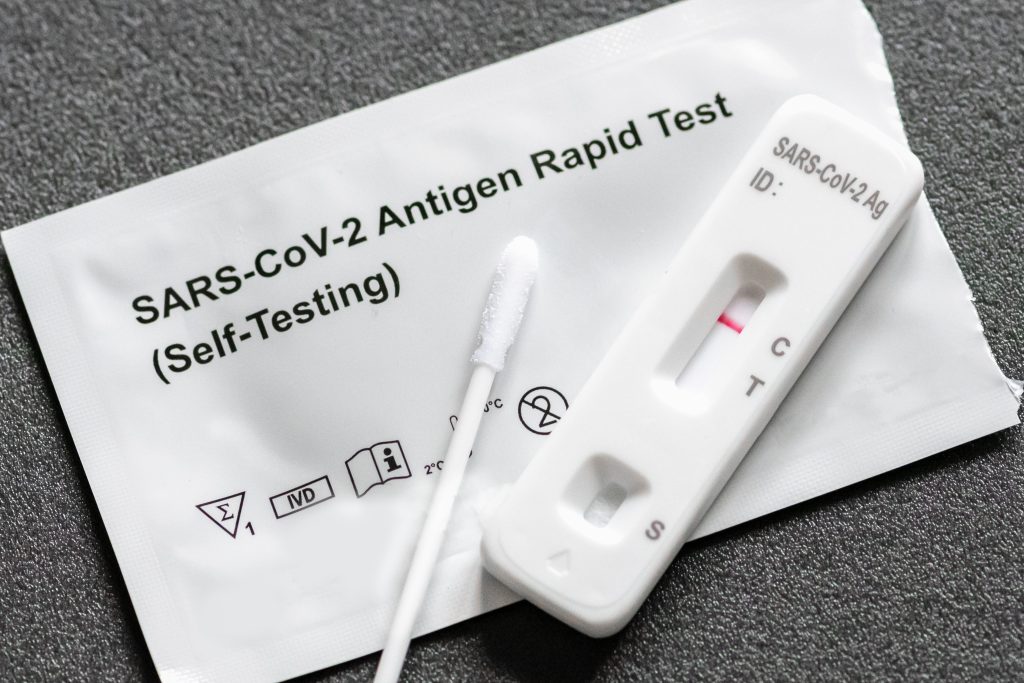
- In conjunction with National Institutes of Health, led $1.5 billion COVID at-home/point-of-care test development program.
- Oversaw and managed coordination among Point-of-Care Technologies Research Network (POCTRN) centers.
- Applicant review time reduced from 4-6 months to 35 days.
- Nearly 8 billion tests delivered to market within a few years, rather than typical 7 years for medtech development.
- 55 FDA Authorized tests including the first over-the-counter test for at home use.
2022-Present
Independent Test Assessment Program
- In conjunction with the NIH, developed and led 7 ITAP programs to accelerate regulatory review and availability of high-quality, accurate, and reliable diagnostic tests in various disease areas.
- Program is a collaboration between the National Institute of Biomedical Imaging and Bioengineering and the Food and Drug Administration that fast-tracks thorough review of diagnostic tests.
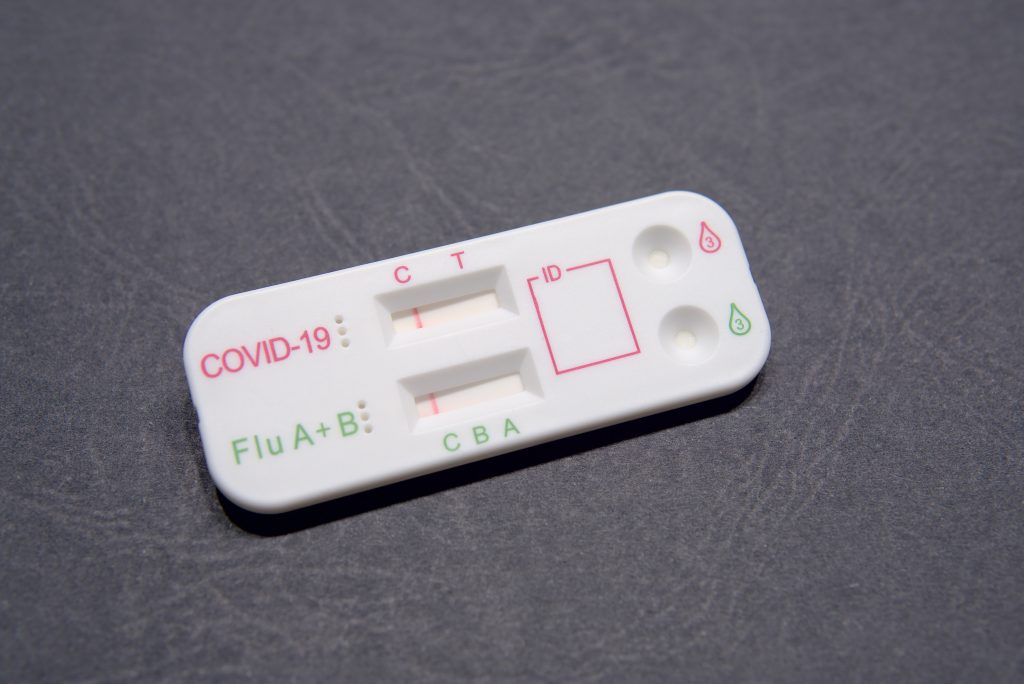
- To date, tests that have been delivered to market include COVID-19, hepatitis C, and more than 15 multiplex COVID flu.
2022
Blueprint MedTech
- Accelerate development of cutting-edge medical devices to diagnose/treat nervous system disorders.
- Serving as one of two hubs designated by the National Institutes of Health (NIH) to manage Blueprint projects.
- 11 new patents issued; +$21M distributed directly to funded Innovator teams; 5 new strategic partnerships formed
- Average additional funding raised by Innovator teams during the program:
- Non-dilutive: $1.2M
- Equity: $2.7M


2023
Maternal, Fetal, Women’s Health Challenges
- Designed and launched three prize competitions to accelerate technology development to improve maternal and fetal health outcomes and to accelerate the development of innovative technologies for the diagnosis of endometriosis.
- Fetal challenge made final awards to three projects — a device to detect fetal stress, an AI model for early detection of congenital heart disease, and a wearable ultrasound patch to monitor fetal vascular health.
- Maternal health challenge awarded six grand prizes for a wearable monitor for cardiovascular health, wireless wrist monitors to evaluate cardiovascular health, a rapid, point of care (POC) diagnostic for postpartum hemorrhage, a rapid home test for urinary tract infections, a smartphone app to detect anemia, and remote monitoring system for home/POC setting.
- Endometriosis challenge in progress.
2024
Hepatitis Diagnostic Tests
- In 2023, the White House announced a plan to end hepatitis as a public health threat.
- Hepatitis C test brought to market less than five months after the start of clinical trials.
- Based upon the success of the hepatitis C virus program, launched the Independent Test Assessment Program for hepatitis B virus program.